|
Being nominated alongside our talented colleagues at IndigiNews and large, well-resourced teams at The Narwhal, CBC, Global News, and the Vancouver Sun is a huge accomplishment.
But we’re not driven to produce this journalism to win awards. These awards matter because they celebrate the tangible impact these stories had on Vancouver Island communities. They celebrate the work of an independent outlet delivering in-depth stories that other local daily news outlets wouldn’t have told.
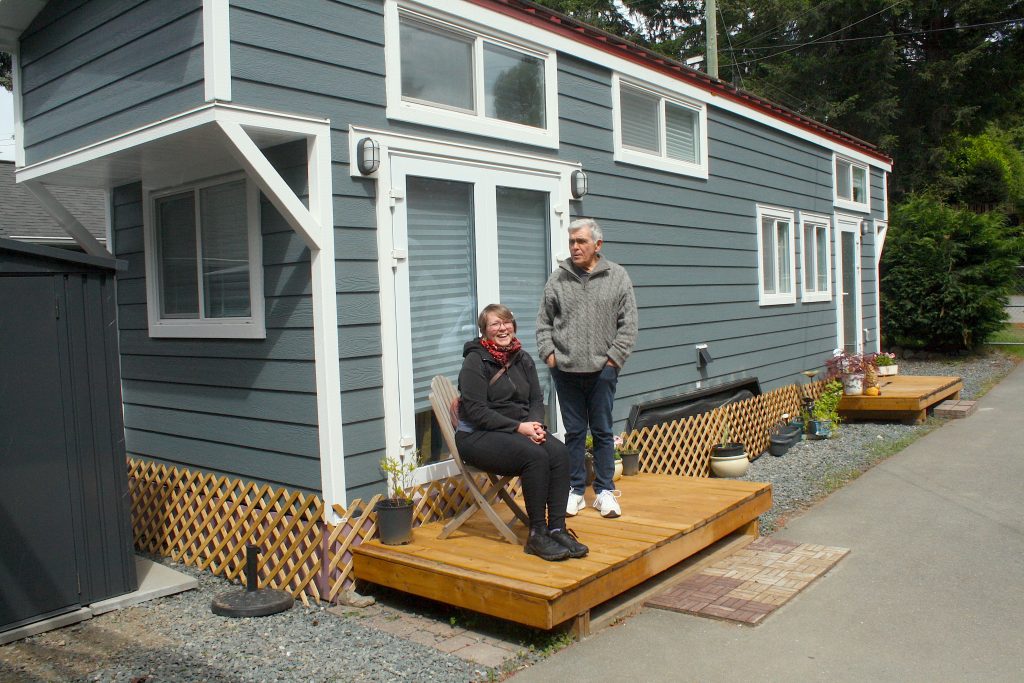
Julie Chadwick’s investigation — our most-read story of the year — held the Regional District of Nanaimo to account for backtracking on its commitment to support affordable housing solutions — like tiny homes and RVs — by cracking down on them in response to bylaw complaints.
In one case, it was a regional district lawmaker making a complaint about a neighbouring resident, raising questions about conflict of interest rules.
The Discourse’s reporting was quickly picked up by other outlets, including the CBC. And within days of publication, a committee chaired by the elected official in question voted unanimously to suspend certain bylaw enforcement on RVs. Residents could also apply for temporary permits for tiny homes.
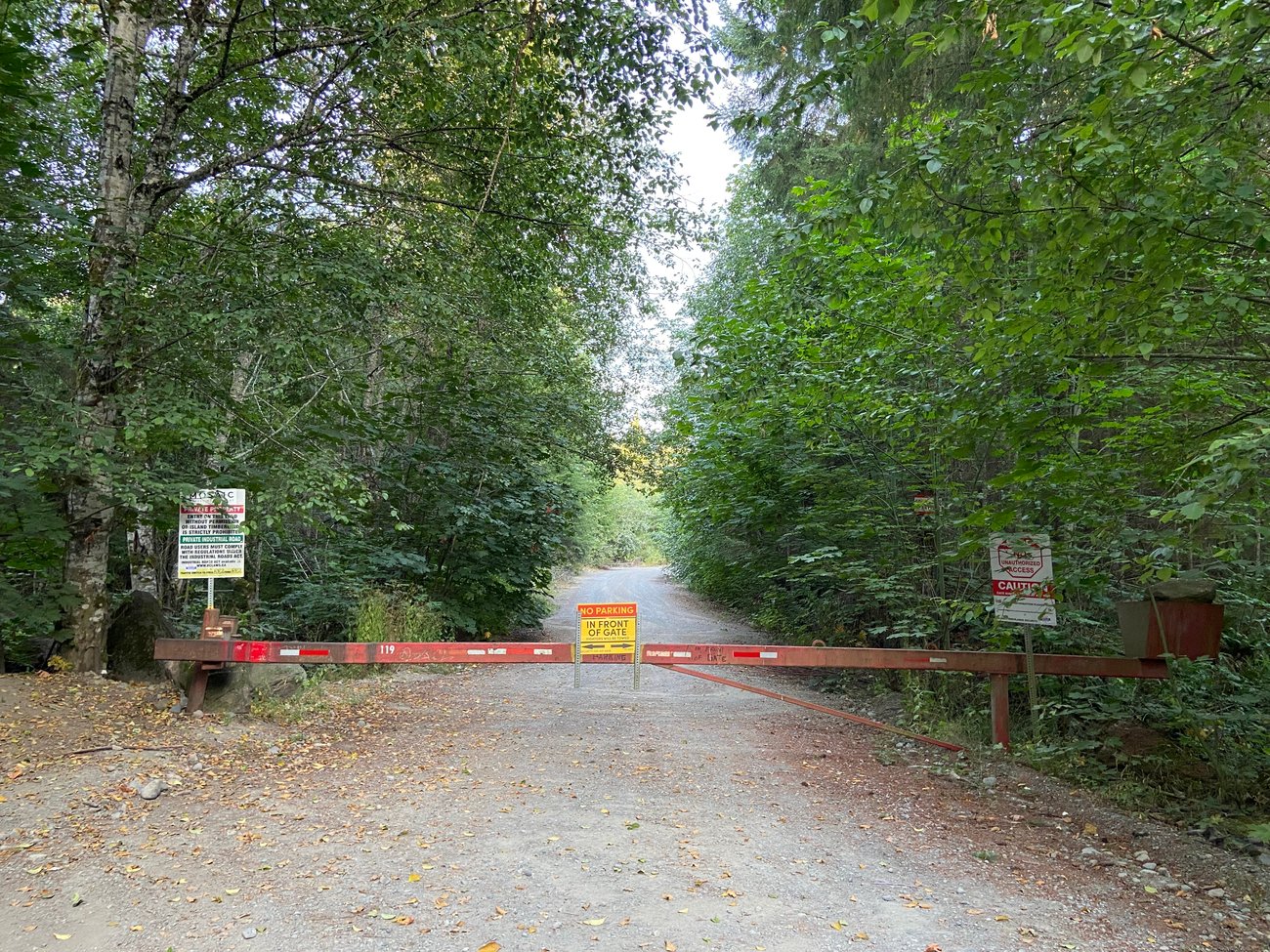
The other Webster award-nominated story is for Vancouver Island University graduate Rowan Flood’s investigation into access to the backcountry, and the gates on Mosaic’s logging roads.
Mosaic is the private forestry company that manages a huge swath of unceded land on Vancouver Island, making world-famous viewpoints and trails only reachable by a network of private logging roads that are increasingly locked off by gates.
The Discourse told the story of a group of outdoor enthusiasts pushing the company to open the backcountry roads and trails — and the many reasons why that decision is complicated.
Three months after the story was published, Mosaic released a survey to gather public input on responsible recreation, stating it would use the results to guide the company’s “commitment to responsible forest stewardship — balancing public recreation with environmental protection.”
The issue of gate access was a top concern amongst survey responses, with some expressing “frustration with inconsistent gate schedules, limited access points and unclear communication.” The survey also highlighted “a strong desire for more transparency, better signage and real-time updates.”
“Mosaic is reviewing the results in detail and exploring practical solutions that balance public access while addressing growing concerns,” it wrote.
It’s incredible to see such impactful local stories nominated for awards.
And I want to emphasize that these stories also take an incredible amount of resources to produce.
We’re talking weeks, and even months, of reporter hours with editorial eyes closely reviewing each letter and footnoted source.
When The Discourse Nanaimo’s founding reporter Julie Chadwick won a national investigative reporting award with the Canadian Association of Journalists for her deep dive into seniors' concerns about Nanaimo Affordable Housing Society (which later changed its name to Ballenas), we crunched the numbers on what it actually cost to deliver that series to our readers:
More than 470 hours of writing and reporting spread out over nine months. A total of 26,209 words over eight feature stories, and more than $20,000 spent on wages, lawyers and administrative fees.
It takes time, money and resources to produce quality investigative journalism.
The Discourse is delivering this calibre of reporting at the local level, where communities can most directly benefit from the changes.
|