“Journalism. It’s a tough job with insane pressure and pretty crappy pay. On the other hand, everybody hates you.”
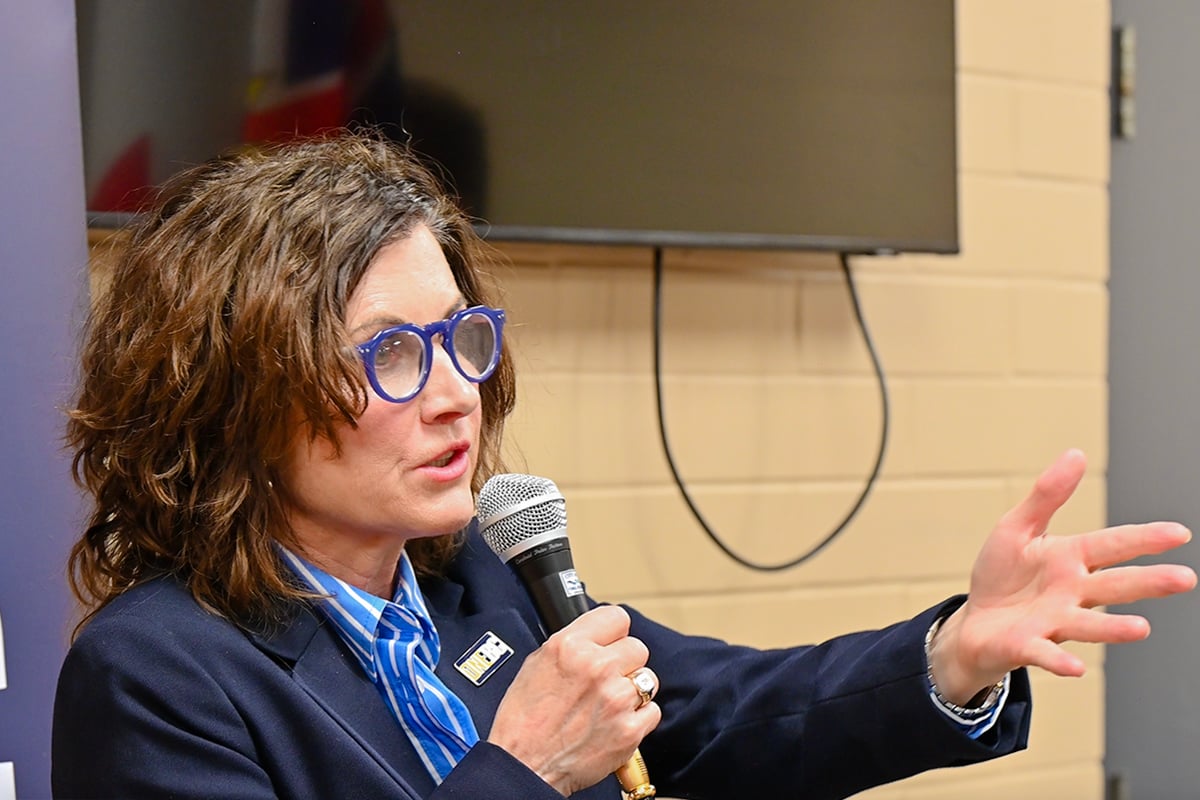
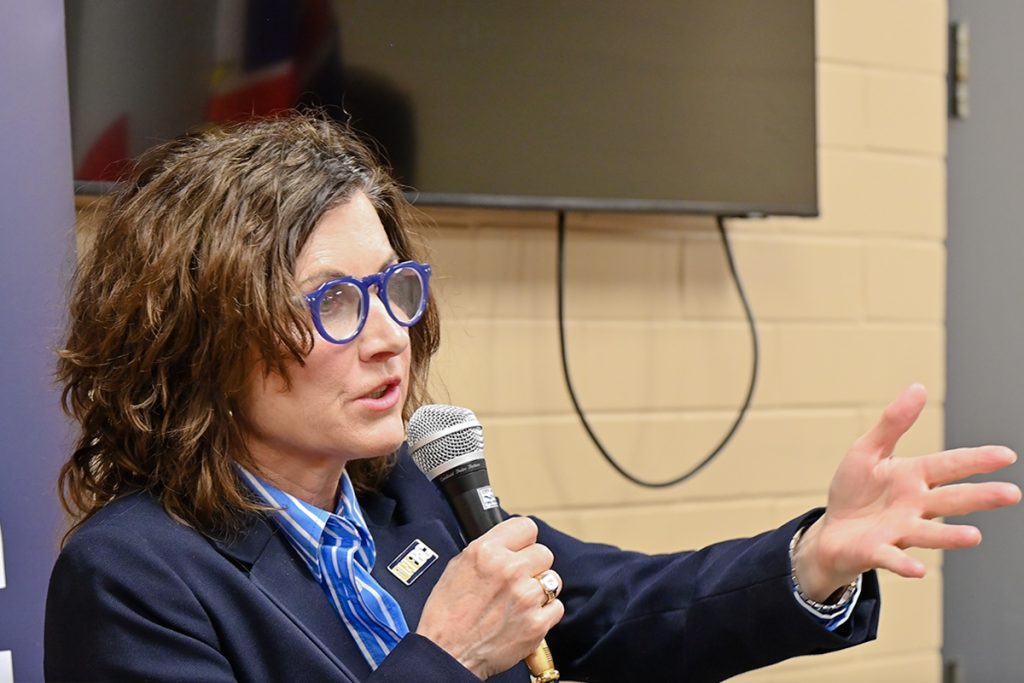
This slogan, coined by New York reporter Francis Lam, is on my mind today as we publish a story about a recent town hall meeting by OneBC leader Dallas Brodie in Nanaimo earlier this month.
I went to the event to document what happened for our readers.
But afterwards, we struggled with a tough question: would covering Brodie’s comments risk giving them a wider public platform?
Her controversial views on First Nations rights have been widely decried by Indigenous leaders and experts.
Within our team at The Discourse, we talked about why we felt OneBC’s town hall was newsworthy. And we debated how to approach covering it.
We decided the meeting’s strong turnout — which saw the room so packed to capacity that organizers had to turn people away at the door — was significant. It showed Brodie is mobilizing popular support, and translating it into political organizing in our community.
At the same time, we felt it would be irresponsible journalism to simply amplify Brodie’s views without putting them into the broader political and legal context, talking with experts and fact-checking what was said at the meeting.
We also wrestled with whether we should include some of Brodie’s more inflammatory remarks, several of which fall under the list of common anti-Indigenous stereotypes by the B.C. Human Rights Tribunal.
We ultimately decided it was more important to show what she said than to whitewash her rhetoric into more politically sensitive soundbites.
Brodie herself said that “we reserve the right to be offensive,” after a party staffer said OneBC was “fully against all hate speech laws.”
At The Discourse, we welcome short letters to the editor about any of our stories (we often include 100-word-or-less letters in our newsletter, with authors’ names). I encourage you to engage with our reporting by keeping your comments to the story’s contents, following our community guidelines — and avoiding personal attacks. You can simply reply to this email if you would like to have your say.
So yes, journalism can at times feel like “a tough job,” with little popularity. But it’s complex stories like this one that are most important to our community — and which The Discourse’s readers tell us are essential.
Thank you for reading,
Mick Sweetman
|